// Institution Arena

Positive Politics Values Institutions

Preserving and strengthening institutions makes life more predictable. It reduces the cost and risk of individual and collective action and assures that individuals and communities focus on shared goals essential to survival, security, and well-being.
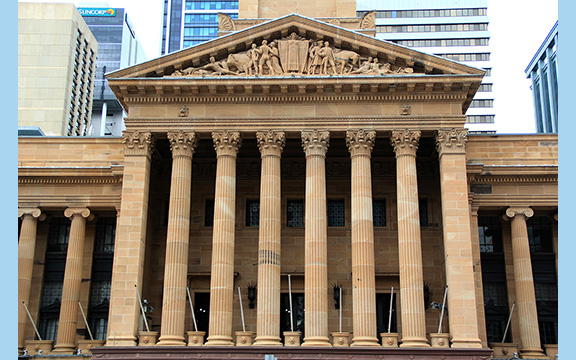

Institutions preserve and facilitate political gains

Institutions require law, governance, authority, and citizenship to function. All are essential to maintain stability and progress toward shared objectives. A number of institutional forms for governance exist — not a single ideal. Organizations grow from the felt needs of their citizens, who resource them. They take on identities and wrap themselves in sacred truths.

Political institutions enlarge organizations and formulate rationales or ideologies. By creating policies to focus on goals, they reduce friction of unruliness. They sanctify some policies, processes, and procedures as laws, and they turn some persons into authorities.

Each form of political institution answers a set of basic questions: Who is in charge? By what values and goals does the one in charge operate? Who evaluates the operations? And who provides the resources — the citizens? Knowing these questions will help us keep our options open for maximum creativity and adaptation.

Covert, invisible, and competing goals will always exist. They need voicing and negotiating rather than being ignored or quashed. Smooth functioning governing institutions can reduce the friction that competing values, goals, and verities otherwise cause — increasing the polity's effectiveness and efficiency using positive politics.

The Four Institutional Principles


Positive politics may take longer — but we achieve more and have more fun doing it.

Topics

Worldviews Mental Models Institutions Law Authority Community Power Basic Needs Priorities Organization Politics Communication Sacred Truths Governance Citizenship Culture