// Community Arena

Positive Politics Builds Strong Communities

Community is a condition of mind, not of place. We get along and get ahead via politics. For the most part, we do politics in our communities — when we communicate, socialize, organize, and express our expectations.
Building community

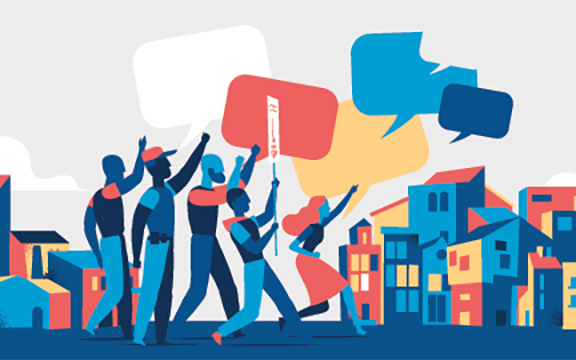
We politic in many different communities — some geographic, some specialized, some social, some online. A community is any group with which you communicate regularly and share priorities. In your town or city, you share a desire for good roads, schools, and trash collection. In a neighborhood, you share a desire for personal safety and green space. In a faith community, you share priorities for adequate facilities and sympathetic outreach. In all these settings, a positive problem-solving approach with kindness bears fruit in strengthened communities.

Today with modern media and competing voices shaping our view of reality, communities are larger, more fractured and overlapping. Through social media, we see community develop among those who share values and understandings but not location. Most of us find ourselves in a bewildering amalgam of overlapping and hierarchical communities associated with our family, neighborhood, age, hobbies, ethnicity, religion, sports, and more.

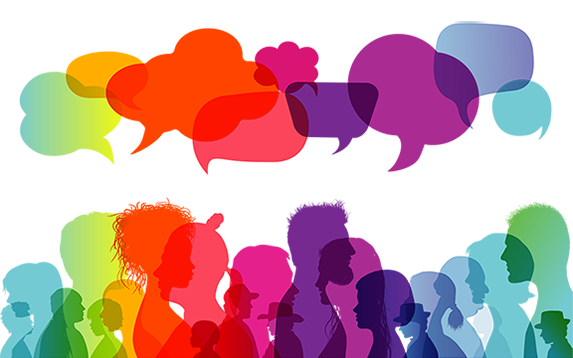
As we communicate with one another, we share our "mental model" which gradually becomes a working picture of reality for the group. This shared view of reality becomes a foundation for the group to choose collective actions and build institutions. A sense of community and community activities live in a circular relationship — community values affect what activates a community, and community activities affect those within it. Through conversation and agreeing on how to disagree, communities grow.

The Four Community Principles


Positive politics may take longer — but we achieve more and have more fun doing it.

Topics

Worldviews Mental Models Institutions Law Authority Community Power Basic Needs Priorities Organization Politics Communication Sacred Truths Governance Citizenship Culture