Power is neutral — neither right nor wrong, good nor bad. It is a feature of time, place, and others, and it depends on the purposes and goals it serves. It is a means, never an end in itself.
Through power we combine purpose and ability to effect change or maintain stability.
Everyone has power. If you breathe, you have power. Power is desirable because without it we cannot manage and we lose the freedom to act. Everyone is happier when they have power because power is the ability to choose and the means to achieve. Think of the power that a newborn infant has over the lives of its parents. A baby's power comes from goals shared with parents: to survive and thrive. A baby's power comes from its ability to communicate when hungry, cold, or wet — and likewise to reward parents with coos and smiles when satisfied. Most importantly, think positively about your own power and do not be afraid to use it.
Many consider power to be the physical or economic might to compel others to do their will. This concept of power as coercion leans toward all-or-nothing actions — avoidable inefficiencies in the name of effectiveness. Power is much more than force.
Most of the time, our goals are not in direct opposition to those of others. Most of the time our goals complement, overlap, or coincide, like those of a baby and parent. Without any threat of coercion, powerful leadership can galvanize a group to achieve a common goal that would never have been possible through force. This is the difference between a free society where workers contribute willingly and a dictatorship where work is coerced through fear. Influence — honey — yields more than commands do.
Thinking power derives only from social position or title limits and distorts its use. Authority illegitimately used yields weakness. Assuming a title makes us powerful can lead us to ignore the setting where we deploy our power. No title or social position gives us cost-free liberty to make someone act against their will.
Power lies primarily in our ability to motivate others. Pulling "rank" is costly — a coercive act may succeed for the moment, but the risk is high that subsequent costs will erase any benefit. If a manager luxuriates in her image of being powerful, if she belittles a member of her staff, she will one day discover her power vessel to be empty. Power, like a living thing, must be nurtured.
If power could be reliably quantified, we could rank ourselves and others by power. Though Forbes can publish a rank-ordered list of the most powerful people in the world, that ranking is bound by time, assumptions, and criteria extracted from a larger reality.
Power is useful only in bargaining, negotiating, motivating, or forcing to achieve a goal. We pursue varied goals in different arenas — economy, ecology, military, diplomacy, and communication. These arenas and our goals change over time. The "barter" character of politics always tempts some to use their status to purchase the ends they desire — the plentitude of corruption charges at all levels testify to this unfortunate tendency. We need to escape the belief that power is a medium of exchange like money.
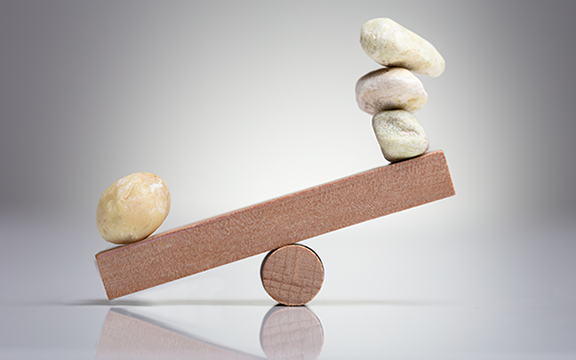
Positive politics may take longer — but we achieve more and have more fun doing it.